

Content
Summer break is a time for students to relax and recharge, but it can also be a time when hard-earned reading skills begin to fade. The good news is that a little literacy practice can make a big difference.
In recent weeks, we’ve received many questions from educators asking how they can help students maintain their reading skills over the summer. Here are seven simple ways to help students avoid the “summer slide.”
Content Columns
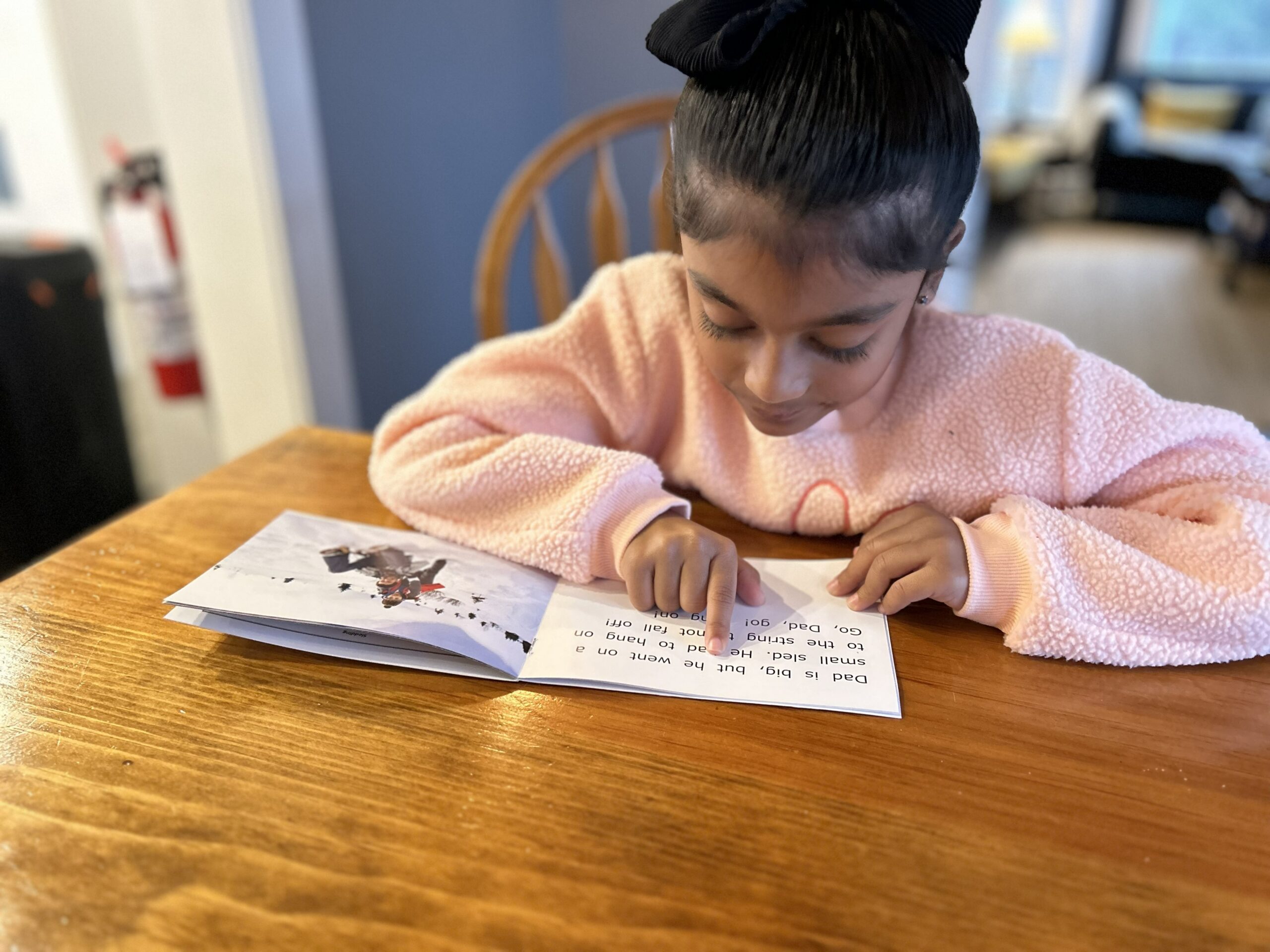
1. Decodable Books
Decodable texts are intended to practise taught concepts. Students can use these to practice over the summer. Be sure to send home books appropriate for each student, based on the concepts they’ve already learned. SyllaSense books are available as free printable versions in single-page text passages or as pictureless books (which students could illustrate).
Content Columns
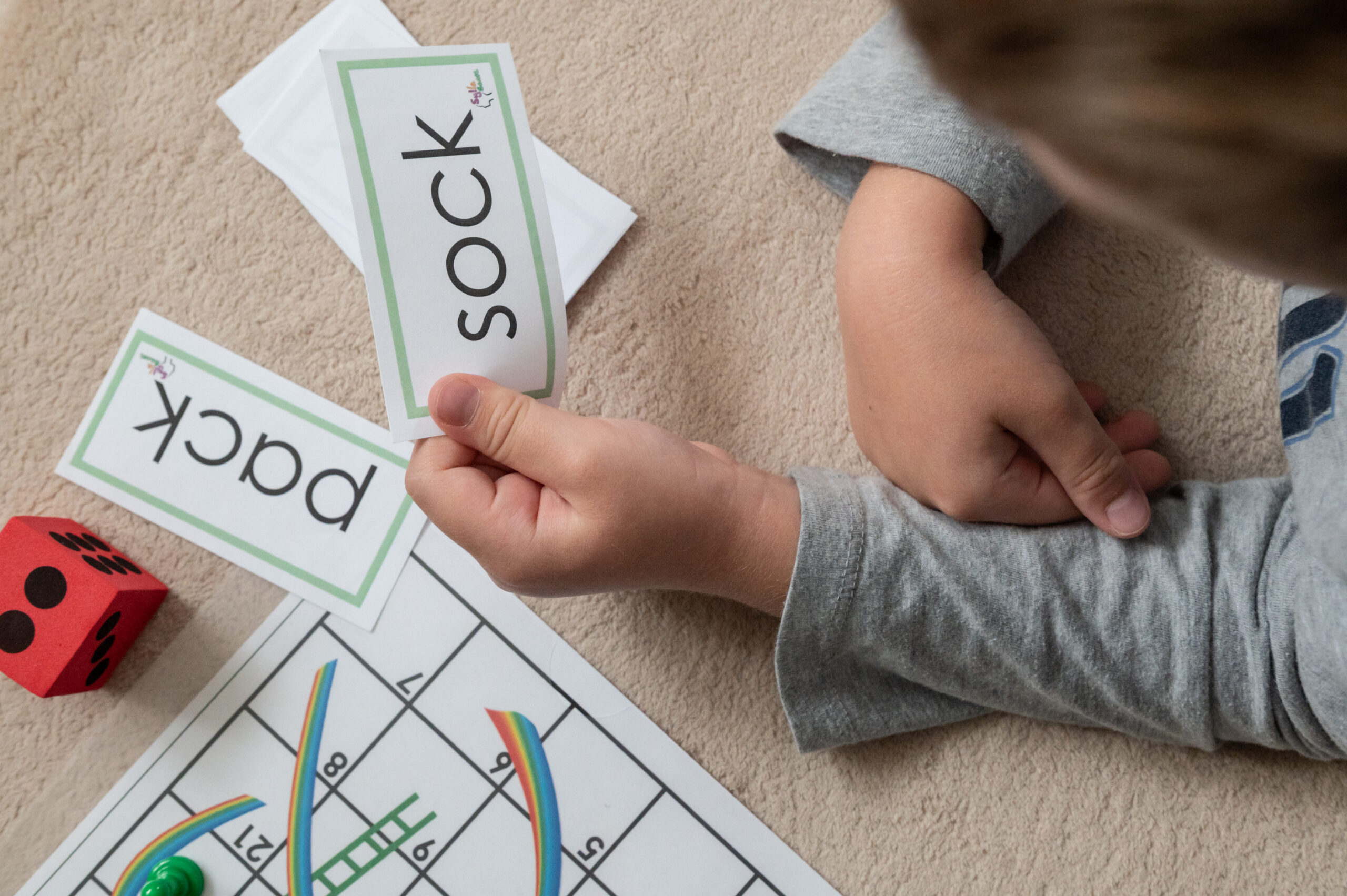
2. Games and Activities Lending Library
SyllaSense has free games available for each book in our series. Games could be printed and packaged in advance to include in a lending library. Students should borrow the games that practise concepts they have already learned.
Content Columns
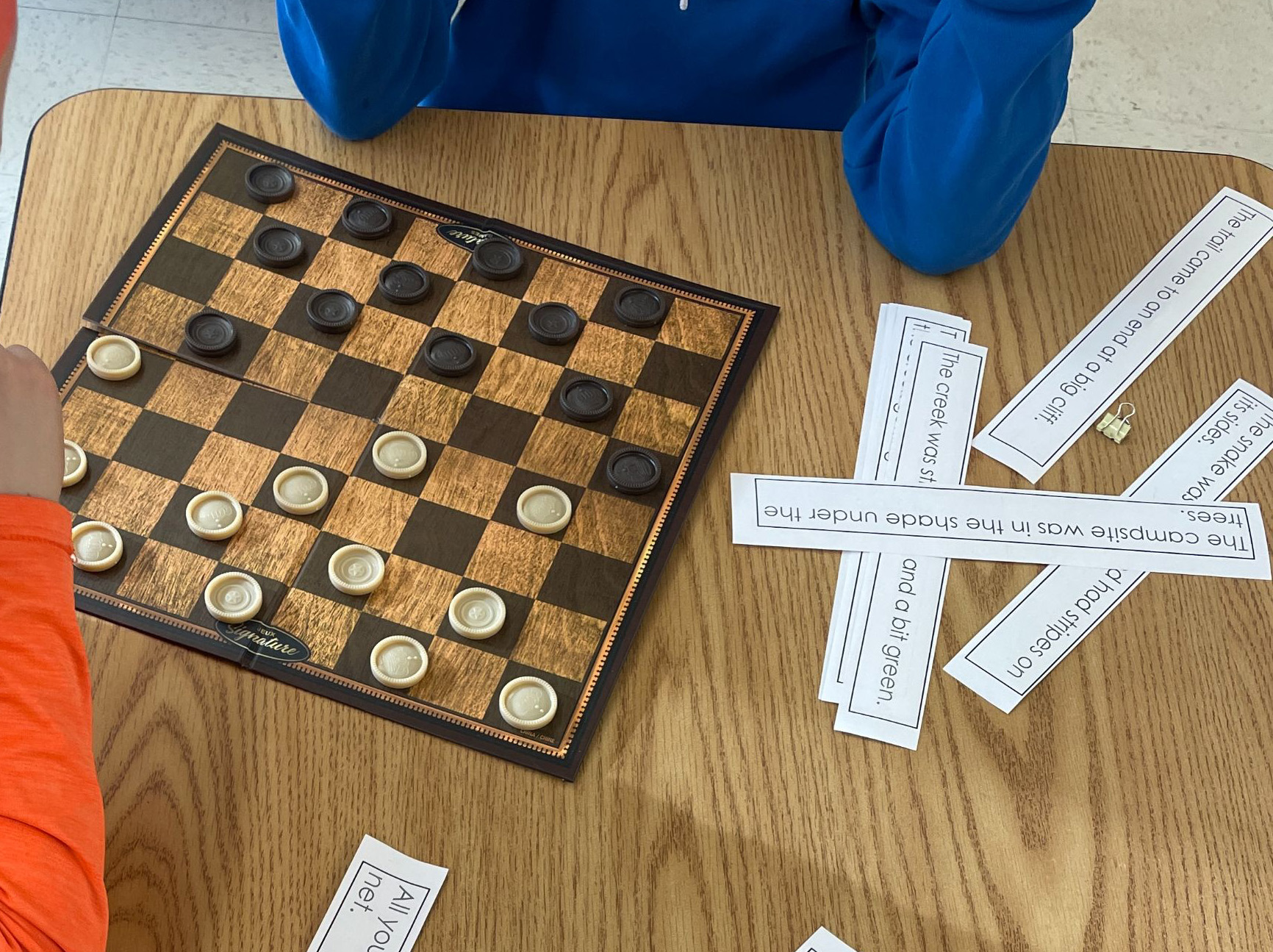
3. Words and Phrases
SyllaSense Words and Phrases documents for each of our books are available for free in the teacher resources section of our website. Words and/or phrases can be printed and cut apart to use as flashcards. If 2 copies are printed and cut apart, they can be used as a memory game or for “Go Fish!” Students can also work on sentence writing by turning phrases into complete sentences (possibly in journals).
Content Columns

4. Read Alouds
Lend out picture books and chapter books, or encourage families to borrow them from the public library. Encourage families to read to their children. It is beneficial for children to hear fluent reading and engage with rich language from authentic texts. Children can even read some parts, and have adults read the parts they can’t yet decode. Encourage families to talk with their children about what is happening in the story, make predictions, share their favourite parts, and explore newly encountered vocabulary.
Content Columns
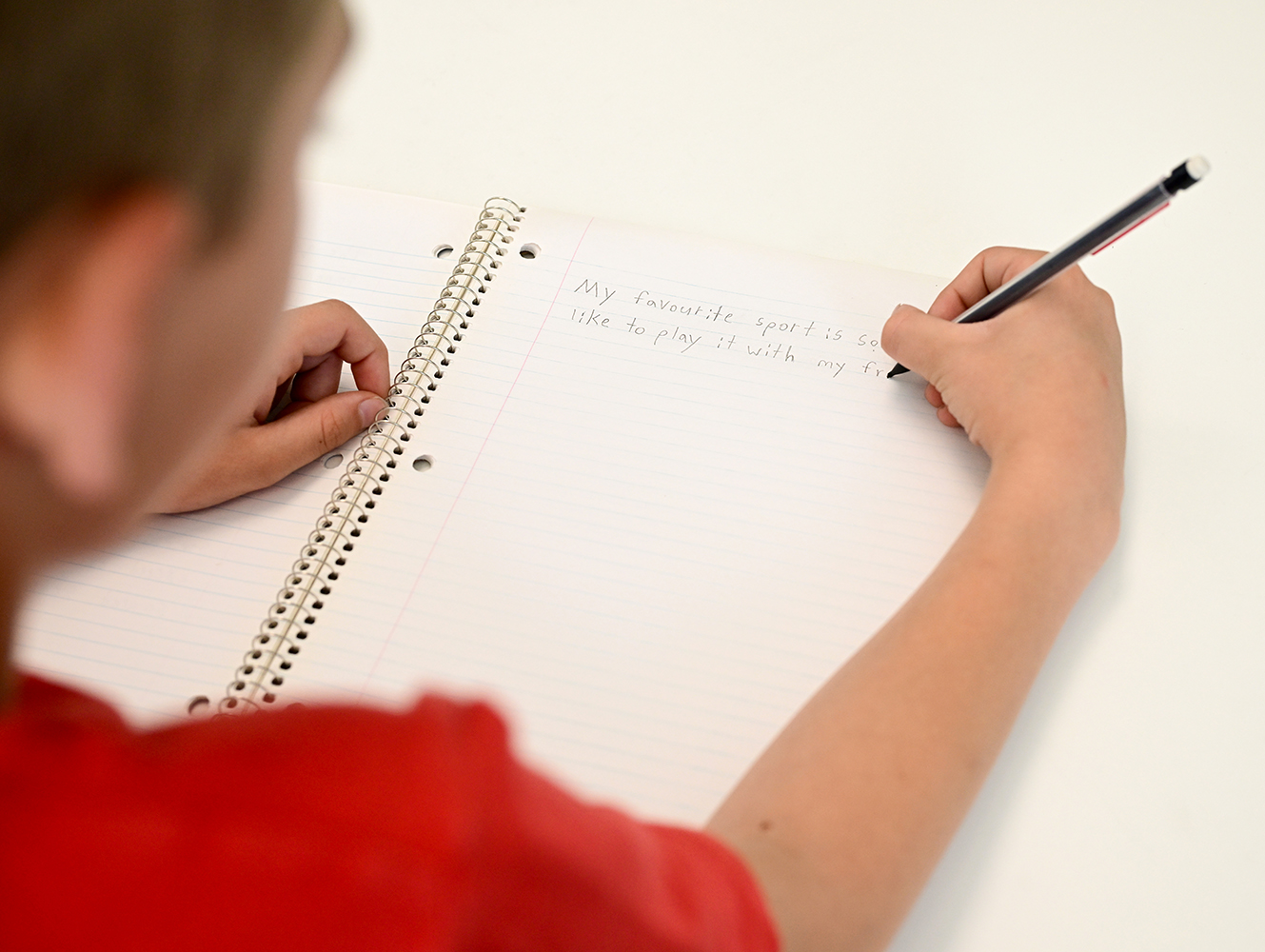
5. Journal Writing
When we read, we are not practicing writing, but when we write, we practise reading too. Encourage students to keep a creative journal throughout the summer. Students can be encouraged to:
- Write about what they are reading
- Tell about the activities that they are participating in (trips, summer camps, “staycations”, etc.)
- Make up stories and draw pictures to embellish their writing
Tell students you would be happy to read their writing in the fall when they return, or encourage them to share their writing with family.
Content Columns
6. Library Programs
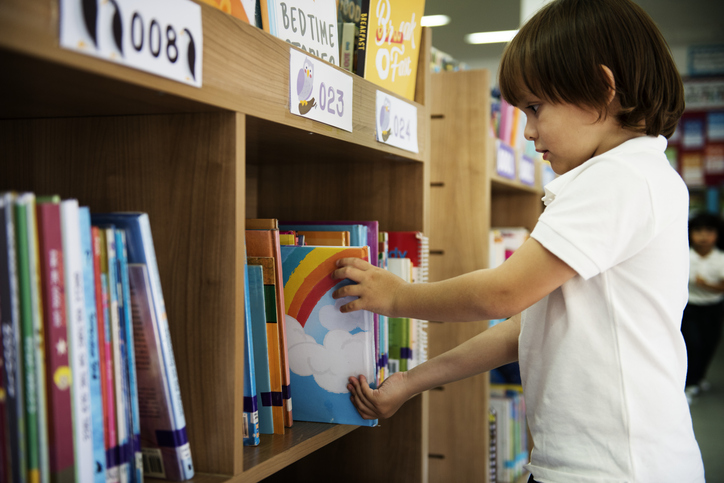
Local public libraries often offer summer reading programs where students track their reading and sometimes even earn prizes. Encourage families to check for available library reading programs in your community, or contact local libraries yourself, and then share the information with families.
Content Columns
7. Phonemic Awareness Games
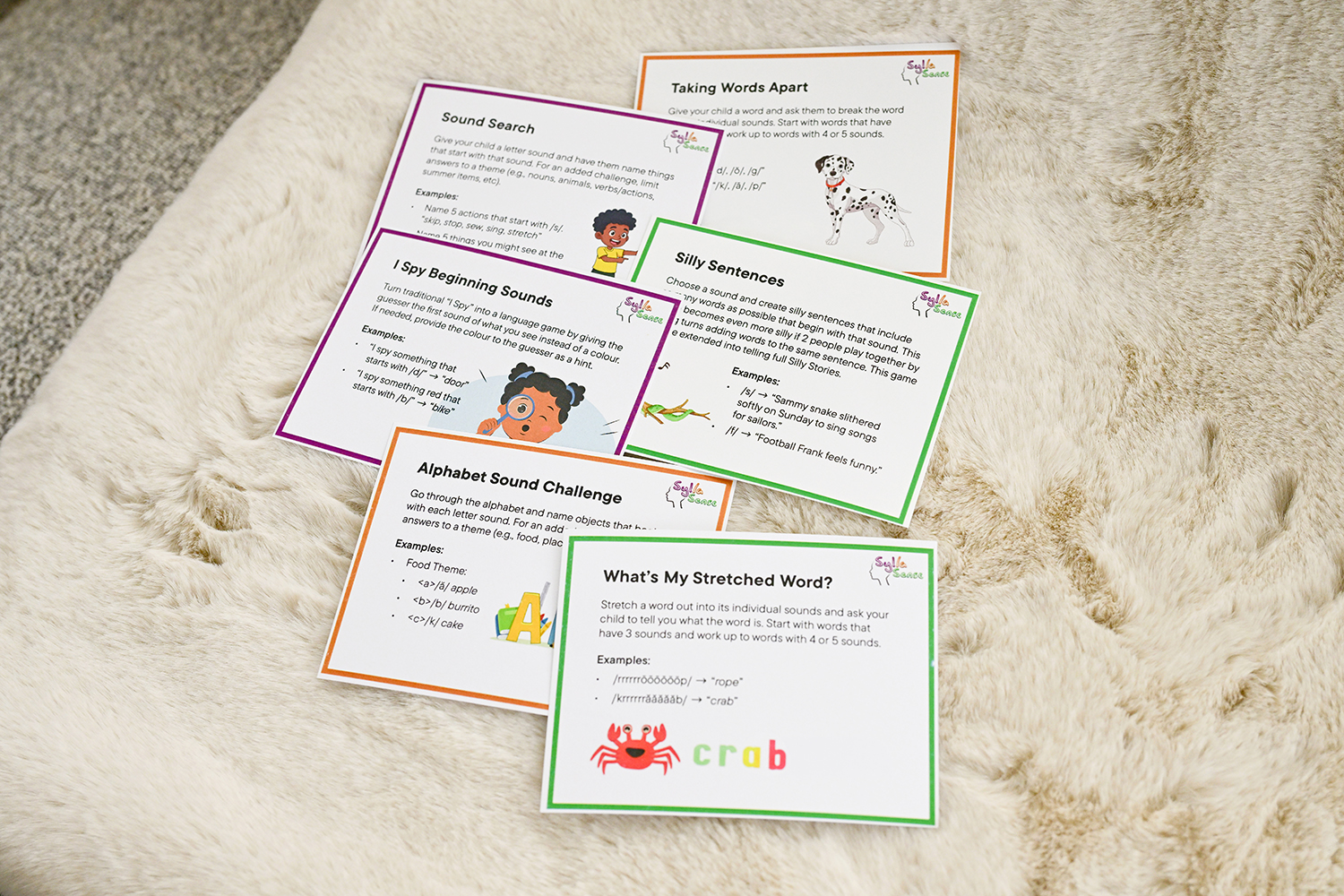
Play phonemic awareness games with your children. These oral language games build skills to support reading and writing, and require no materials. Turn car rides, waiting rooms, and lineups into opportunities for learning.
Content
The printable versions of our books, games and activities, and words and phrases are all available here.
We hope you’ve found some useful ideas to help keep learning going all summer long. Do you have other strategies for avoiding the “summer slide”? We’d love to hear them – share your ideas in the comments below!